From student innovation to published research: How RBC Borealis brought a new research lens to Amplify

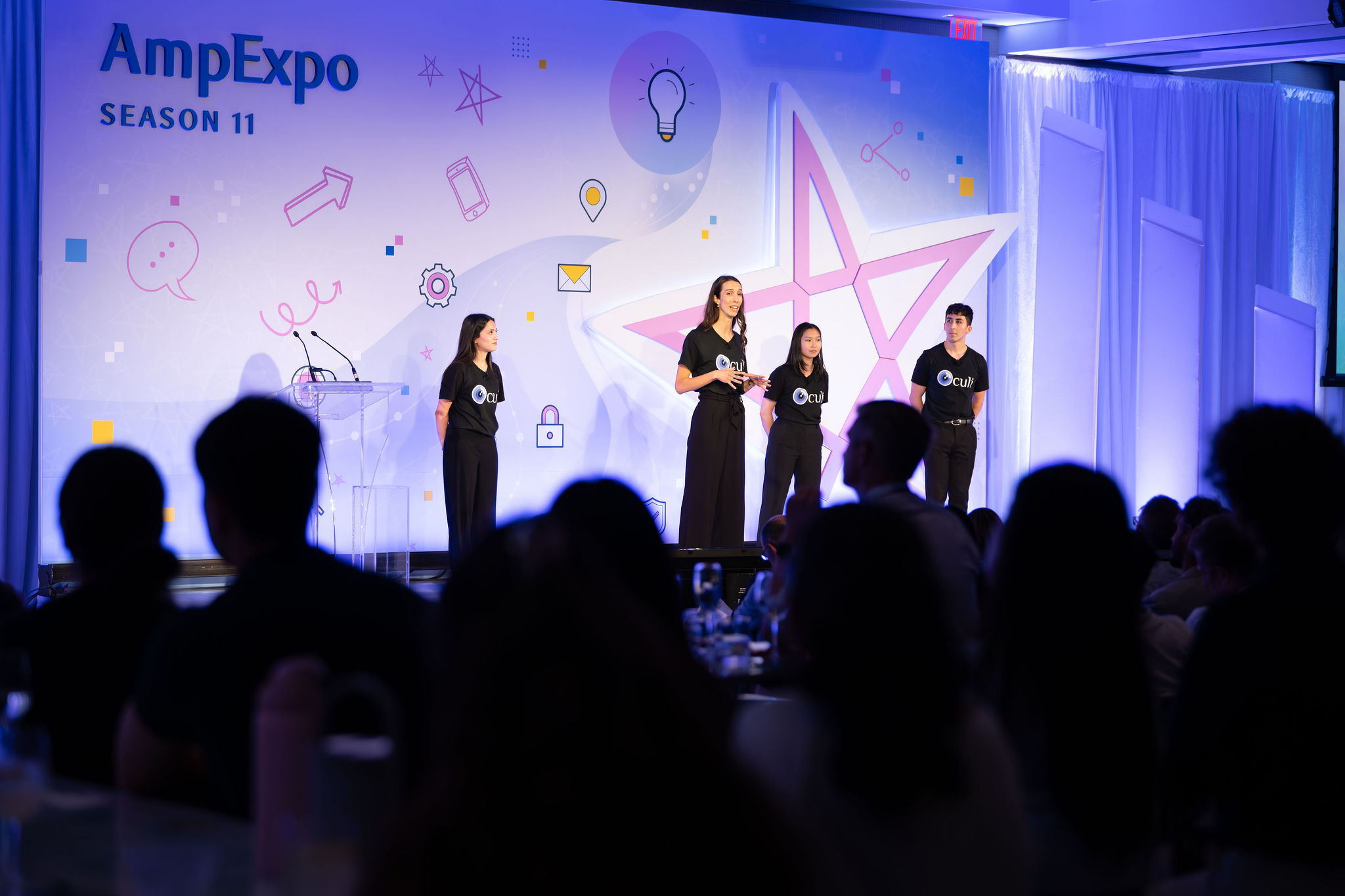
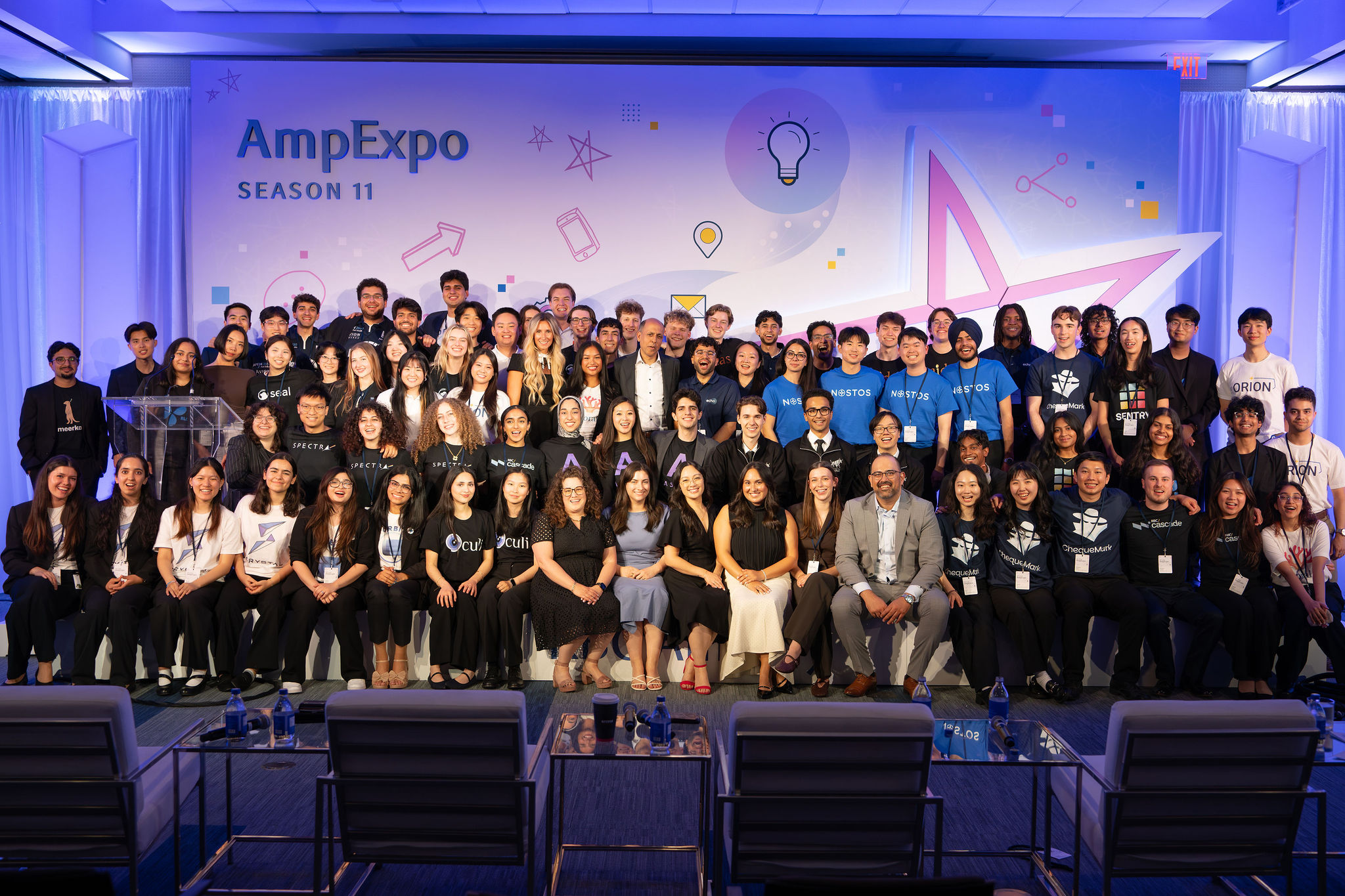
Each summer, RBC Amplify assembles cross-functional student teams for a 16-week innovation program to develop prototype solutions to real-world challenges facing RBC’s clients and internal teams.

This year, the program partnered with RBC Borealis, RBC’s AI research institute, to introduce a new research dimension. For the first time, teams were given the opportunity to develop white papers alongside their solutions, formally documenting the methodology, evidence and thinking behind their work.

The result? Nine student teams published papers on arXiv, an open repository for research papers covering a range of technical and scientific fields, extending the work developed during the summer to the broader research community.

Unlike a competitive research conference or academic journal, arXiv does not involve a peer-review process. Instead, it provides a platform for researchers to share their work publicly and contribute to the broader research community, though submissions still require endorsement from an established arXiv contributor.
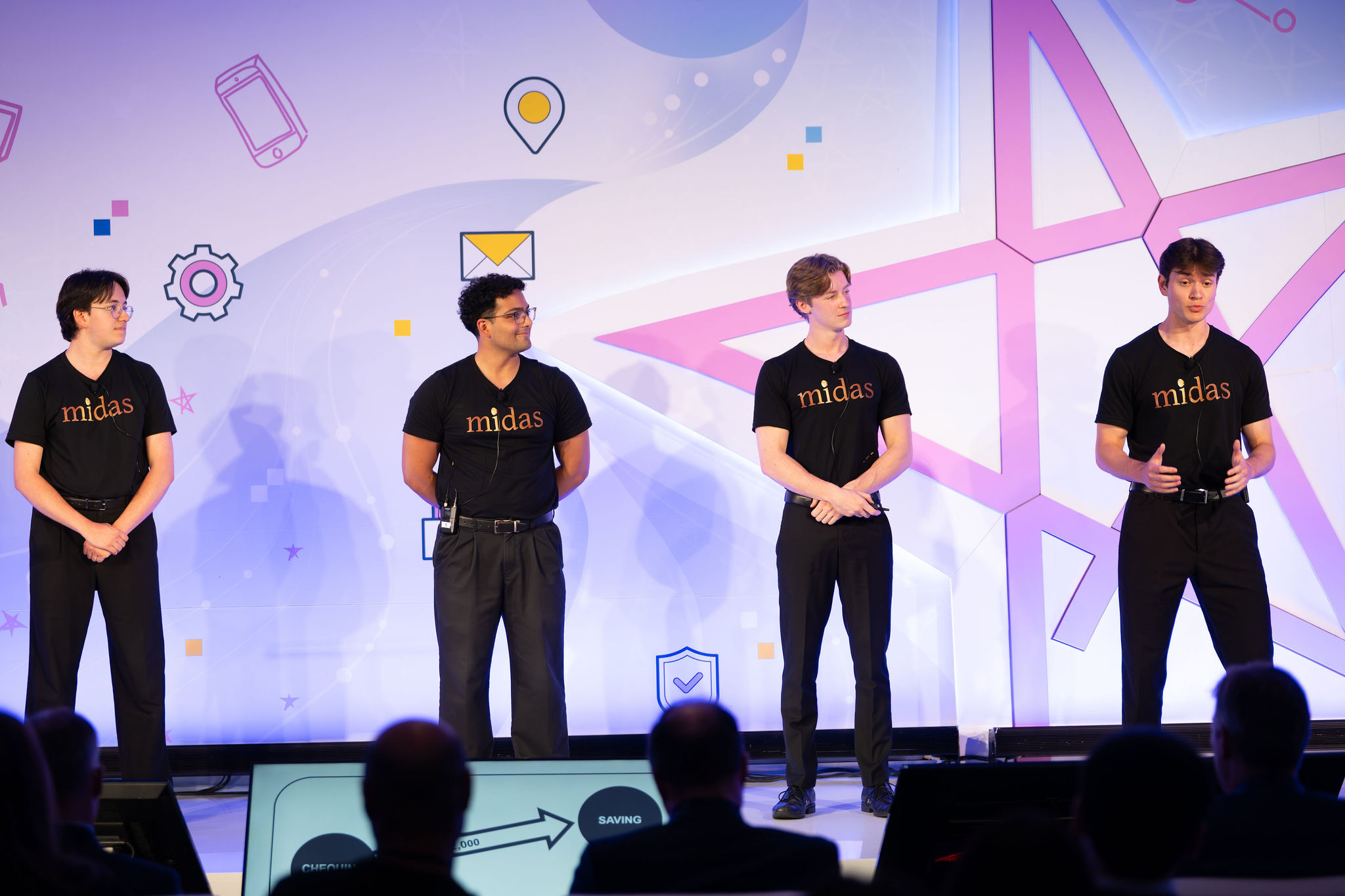
Bringing a research mindset to Amplify

The collaboration with Amplify began when Foteini Agrafioti, Senior Vice President, Data and AI and Chief Science Officer, and Greg Mori, VP & RBC Fellow, AI Research, recognized an opportunity to advance shared innovation goals.

Throughout the program, RBC Borealis researchers mentored student teams leading workshops and providing guidance as they developed their papers. The experience offered the students in post-secondary studies an early, hands-on introduction to research, from developing a methodology and examining evidence to formally documenting and publishing their work. It also left them with a tangible research output to carry into future academic and professional opportunities.
“Great innovation isn’t just about having a strong idea, it’s about being able to prove why it works. That’s the research mindset we wanted to bring to Amplify. These students are already building ambitious solutions; our role is to challenge them to go deeper, question their assumptions and turn strong ideas into work that can stand up to scrutiny.” - Greg Mori, VP & RBC Fellow, AI Research, RBC Borealis
The resulting papers cover a range of AI and machine learning applications in financial services, including fraud detection and credit risk analysis to tax optimization, change management and blockchain-based liquidity solutions.

Taking student research beyond the summer

Before being submitted to arXiv, the papers underwent an internal vetting process to ensure they met RBC’s quality standards, with RBC Borealis researchers serving as endorsers for the submissions.

The opportunity may extend beyond this. RBC Borealis is exploring undergraduate conferences where one or two of the papers could be developed further and submitted for competitive peer review.

For RBC Borealis, the papers provide an additional platform to showcase product-related AI research across RBC and strengthen the organization’s broader research presence. For students, the experience leaves them with a lasting record of the knowledge behind their solutions while offering early exposure to how research is developed, documented and shared.

Together, the collaboration demonstrates how a summer innovation program can create opportunities that extend beyond a prototype, giving emerging technologists the chance to build, research and contribute work lasts well beyond their 16 weeks at RBC.

To learn more about the Amplify program and apply for future opportunities, visit RBC Amplify program.

To learn more about our open roles for students and graduates, visit Tech@RBC.